I wrote this paper while studying Principles of Art, Antiquities, Cultural Heritage and the Law, taught by Prof. Steven Gallagher, during my JD studies at the Chinese University of Hong Kong.
Abstract of the Paper:
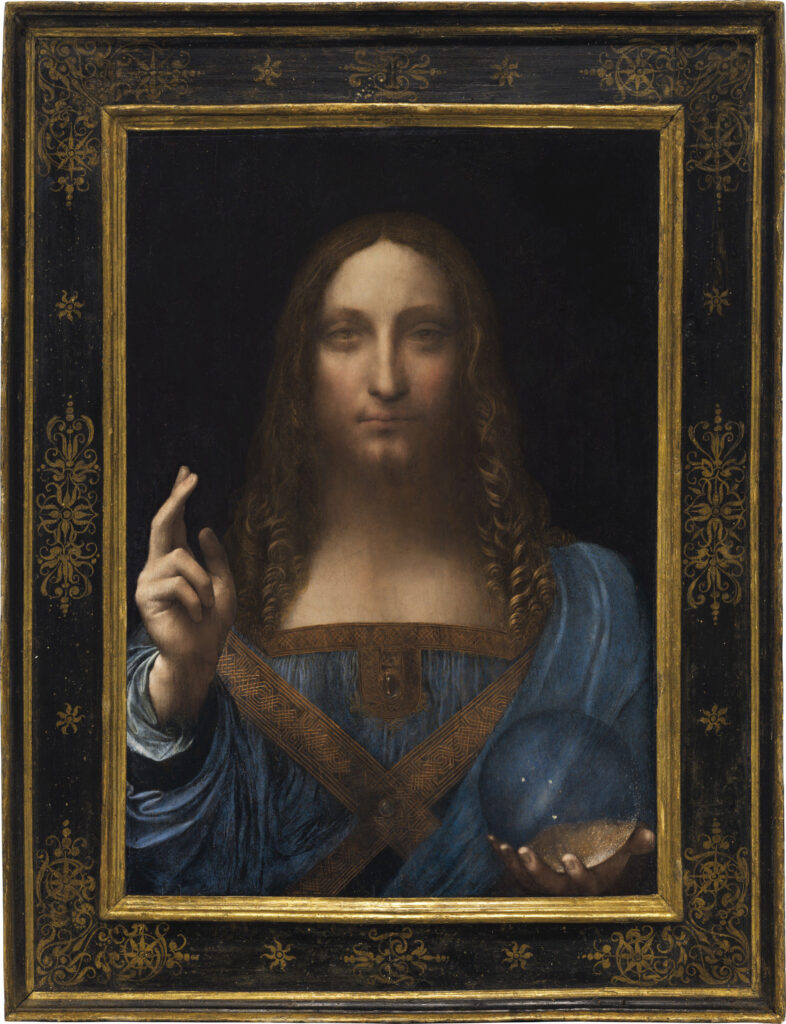
Freeports have become increasingly important infrastructures in the global art market, particularly as artworks are increasingly treated as alternative investment assets. Public attention toward these facilities intensified following the high-profile dispute between art dealer Yves Bouvier and Russian collector Dmitry Rybolovlev concerning the sale of Leonardo da Vinci’s Salvator Mundi. The case revealed the opaque role that freeports can play in the storage and circulation of valuable artworks.
This paper examines the functions of freeports and the regulatory concerns arising from their growing use. While freeports provide collectors with secure, confidential, and tax-advantaged storage, the same features also create risks of misuse, including money laundering and other illicit financial activities. The paper evaluates current regulatory approaches and argues that a combination of government regulation and industry self-regulation is necessary to improve transparency and ensure more consistent oversight of freeports globally. It also considers the potential role of technological tools in strengthening monitoring and compliance.
The full paper can be accessed at https://papers.ssrn.com/sol3/papers.cfm?abstract_id=6379278.
Image: Public domain, via Wikimedia Commons.